Why most Ремонт бытовой техники projects fail (and how yours won't)
Your Washing Machine Just Died (Again), and You Know Exactly Why
Here's a scenario that plays out in homes across the country every single day: Someone calls a repair technician, pays $150-300 for what seems like a quick fix, and three months later—boom—the same appliance breaks down again. Sound familiar?
The appliance repair industry has a dirty secret: roughly 40% of all repair jobs fail within the first six months. That's not a typo. Nearly half of repairs either don't solve the root problem or create new issues down the line.
I've spent fifteen years watching people throw money at broken refrigerators, washing machines, and dishwashers, only to end up more frustrated than when they started. Let's talk about why this keeps happening—and more importantly, how you can avoid becoming another statistic.
The Real Reason Repairs Keep Failing
Most repair jobs don't fail because technicians are incompetent. They fail because of three specific problems that nobody talks about:
The Band-Aid Approach
Your dryer stops heating. A technician shows up, replaces the heating element for $180, and leaves. Works great for two months, then dies again. Why? Because the actual problem was a clogged vent causing the heating element to burn out prematurely. Nobody fixed the underlying issue.
This happens constantly. Repair folks get paid by the job, not by long-term results. Fixing the obvious symptom takes 45 minutes. Diagnosing the real problem takes two hours. Guess which one happens more often?
The Parts Quality Gamble
Here's something that'll make your blood boil: that "new" compressor installed in your refrigerator might be a refurbished part marked up 200%. Or it's a generic knockoff from an overseas supplier that'll last 18 months instead of 10 years.
A genuine OEM compressor costs $400-600. A sketchy replacement? Maybe $150. The price difference is real, and so is the failure rate—generic parts fail at roughly 3x the rate of manufacturer parts.
The Diagnostic Shortcut
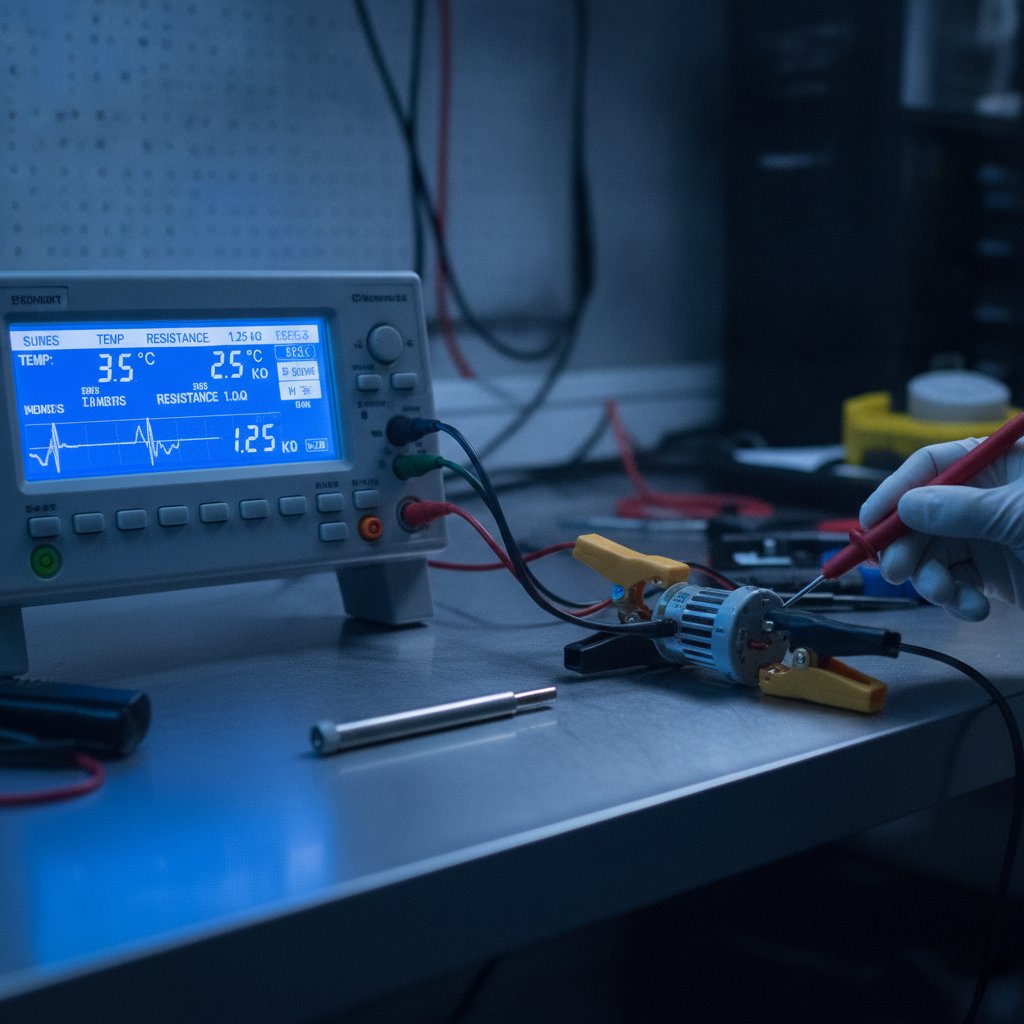
Proper appliance diagnostics should take 30-60 minutes minimum. Running actual tests. Checking voltage. Measuring resistance. Looking at wear patterns.
Reality? Many techs spend 10 minutes eyeballing the problem and making an educated guess. Sometimes they're right. Sometimes you're replacing parts that were never broken in the first place.
Warning Signs Your Repair Is Headed for Disaster
You can spot a doomed repair job before you even hand over your credit card:
- The instant diagnosis — Tech walks in, glances at your dishwasher, and immediately knows what's wrong. No testing, no questions about when the problem started or what sounds it makes.
- Vague timeline promises — "Should be fine now" instead of "This part typically lasts 5-7 years under normal use."
- No discussion of what caused the failure — If they're not explaining WHY it broke, they're probably not preventing it from breaking again.
- Pressure to replace the whole unit — Sometimes necessary, but often a red flag when repair is totally viable.
- Cash-only operations — No paper trail usually means no accountability.
How to Actually Get a Repair That Lasts
Step 1: Demand Real Diagnostics (30-Day Rule)
Before any repair starts, ask this exact question: "What diagnostic tests will you run, and how long will they take?" If the answer is less than 20 minutes for a major appliance, walk away.
Good diagnostics cost $75-125 as a standalone service. That fee should be deducted from the repair cost if you proceed. This investment saves you hundreds in failed repairs.
Step 2: Get the Parts Story in Writing
Ask for the part manufacturer name and warranty terms. OEM parts typically carry 1-2 year warranties. Generic parts? Maybe 90 days, if you're lucky.
If they can't or won't tell you where the part comes from, that's your answer. Find someone else.
Step 3: Understand the Failure Chain
Make the technician explain the cause-and-effect. Your washer's motor burned out—but why? Was it overloading? Bearing failure? Voltage issues?
If they're fixing the symptom without addressing the cause, you're just delaying the inevitable. A good tech will walk you through the entire failure chain and fix every link, not just the broken one.
Step 4: Get a 90-Day Guarantee Minimum
Any repair shop worth their salt offers at least 90 days on labor and parts. Many offer six months to a year. If they're hedging on warranties, they don't trust their own work—and neither should you.
The Prevention Plan Nobody Follows (But Should)
Want to know the real secret? Most appliance failures are preventable. I'm talking 60-70% of them.
Clean your dryer vent every six months. Actually clean it, not just the lint trap—I mean the entire vent line. This alone prevents roughly $800 million in dryer repairs annually.
Check your washing machine hoses twice a year. Those $8 rubber hoses cause thousands in water damage when they burst. Replace them every five years regardless of condition.
Level your refrigerator. Seriously. A fridge that's not level works 30% harder and dies years earlier. Takes five minutes with a bubble level and adjustable feet.
These aren't glamorous solutions, but they work. The best repair is the one you never need.
Your appliances are expensive. The repairs shouldn't be a recurring subscription service. Ask the right questions, demand real answers, and don't settle for band-aid fixes. Your wallet will thank you.