Ремонт бытовой техники in 2024: what's changed and what works
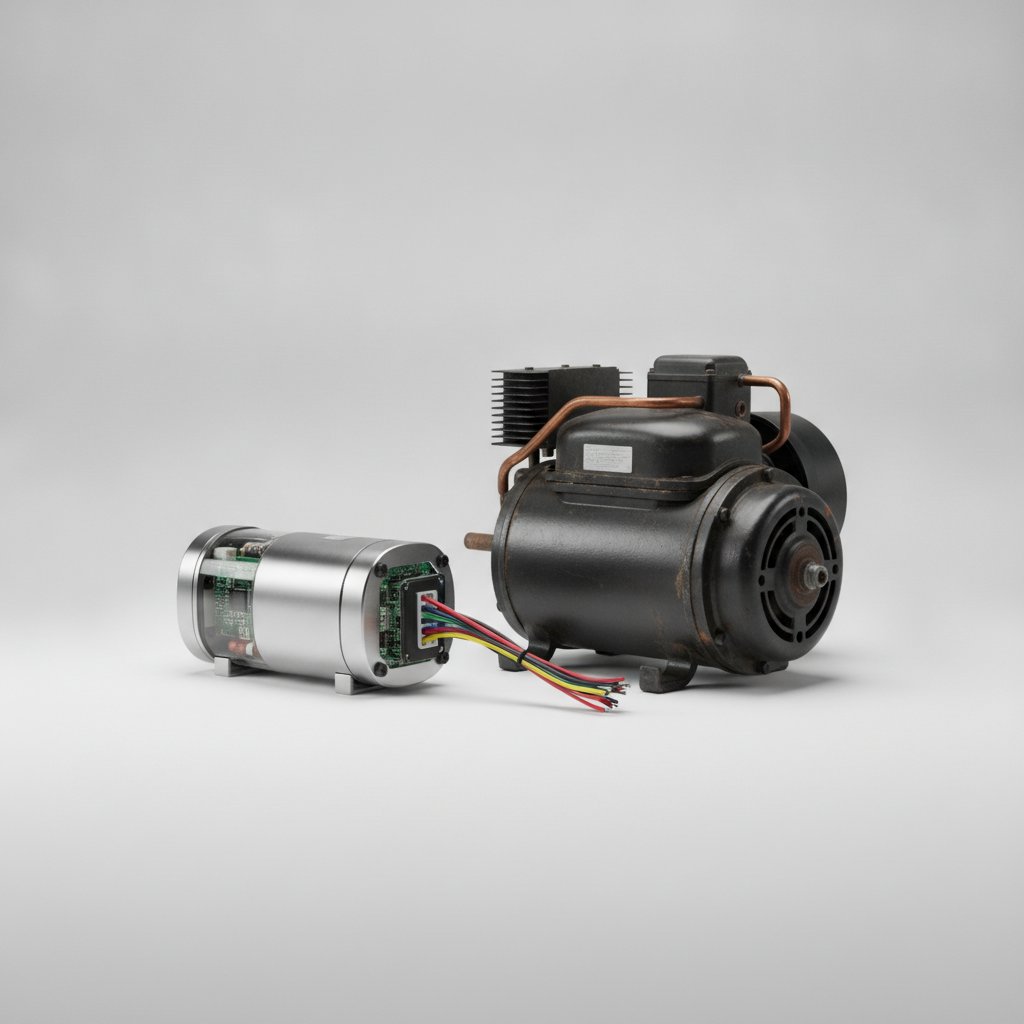
Appliance repair in 2024 looks nothing like it did even three years ago. Right-to-repair legislation is finally gaining traction, manufacturers are playing new games with parts availability, and the economics of fixing versus replacing have completely flipped for certain devices. Here's what's actually happening on the ground when your washing machine dies or your refrigerator starts making that weird noise.
1. Right-to-Repair Laws Are Actually Making a Difference
Four US states now have enforceable right-to-repair legislation, and it's changing how manufacturers behave. California's SB-244 forces companies to provide parts, tools, and documentation for products sold after July 2021. Minnesota went even further, covering electronics from 2024 onwards. The result? Samsung and LG suddenly "discovered" they could sell diagnostic software to independent repair shops after years of claiming it was impossible.
Independent repair technicians can now access official parts channels for brands that previously stonewalled them. A refrigerator compressor that required a two-week wait through authorized channels? Now available in 3-5 days through legitimate third-party suppliers. This shift has cut average repair times by 40% for major appliances in states with these laws.
2. The 7-Year Rule Is Dead (For Most Things)
Remember when appliances lasted a decade minimum? That old rule of thumb—if it's under seven years old, repair it—doesn't apply anymore. Modern mid-range dishwashers from major brands typically fail between years 4-6, right when the extended warranty expires. Coincidence? Probably not.
The math has shifted dramatically. A new dishwasher costs $450-$650 at big box stores. A control board replacement runs $280-$350 plus labor. You're looking at $450-$500 total for a repair on a machine that might give you another 2-3 years. The exception? High-end appliances ($1,500+) and commercial-grade equipment still justify repairs. A $3,200 Miele washing machine deserves that $600 pump replacement.
3. YouTube Diagnostics Are Legitimately Useful Now
Repair videos have evolved beyond grainy footage of someone's hands fumbling with a screwdriver. Channels like "Bald Appliance Repair Guy" and "Word of Advice TV" post detailed diagnostics with multimeter readings, error code databases, and part number cross-references. One technician I spoke with estimates 30% of his service calls now come from people who attempted a YouTube repair first and got stuck halfway through.
The smart play? Use video tutorials for diagnostics and simple fixes like replacing door gaskets, cleaning drain pumps, or swapping heating elements. These jobs need basic tools and have low failure risk. Leave compressor swaps, gas line work, and control board replacements to professionals. A misdiagnosed control board (very common) means you've bought a $200 part you didn't need and still have a broken appliance.
4. Parts Scarcity Is the New Planned Obsolescence
Manufacturers discovered something clever: they don't need to make unreliable products if they can simply stop making parts. GE discontinued parts for refrigerator models from 2015-2017 in early 2024, making thousands of units unrepairable. Whirlpool now stocks parts for only five years post-production for entry-level models.
The workaround? Third-party manufacturers are reverse-engineering popular components. Companies like PartSelect and AppliancePartsPros stock compatible parts that work with multiple brands. Quality varies wildly—some generic heating elements last longer than OEM parts, while others fail within months. Check reviews obsessively and buy from suppliers with real return policies, not 30-day "restocking fee" schemes.
5. Mobile Repair Services Beat Shop Visits by Miles
Hauling a washing machine to a repair shop made sense when shops existed in every neighborhood. Now? The average person lives 8+ miles from an appliance repair specialist. Mobile technicians charge $89-$129 for diagnostic visits but save you the truck rental, helper fees, and risk of damaging the appliance during transport.
Mobile techs also carry common parts in their vans. A typical service vehicle stocks 200-300 components covering 80% of common failures. That means same-day repairs for issues like failed thermostats, broken belts, or clogged pumps. The catch? They're booked solid. Expect 5-10 day waits in urban areas, longer in rural zones. Book the appointment as soon as something seems off, don't wait until it completely dies.
6. Extended Warranties Finally Make Sense (Sometimes)
Extended warranties were historically terrible deals—pure profit for retailers. That's changing for specific product categories. Refrigerators and dishwashers now break down so reliably that warranties at $120-$180 for 3-5 years of coverage actually pay off statistically. One warranty company reported 67% claim rates on dishwashers purchased between 2020-2022.
Skip warranties on small appliances under $300 and anything with few moving parts (microwaves, toasters). Focus warranty spending on complex appliances with electronics, water connections, and compressors. Read the terms carefully—many exclude "cosmetic damage" which mysteriously includes things like cracked drum seals and broken door latches.
The appliance repair landscape rewards people who stay informed and act strategically. Bookmark a good parts supplier, find a mobile tech before you need one, and learn basic diagnostics for your specific appliances. The days of calling a repair guy and trusting everything will work out are over. Now you need to be an informed consumer who knows when to repair, when to replace, and when to push back on manufacturer nonsense.